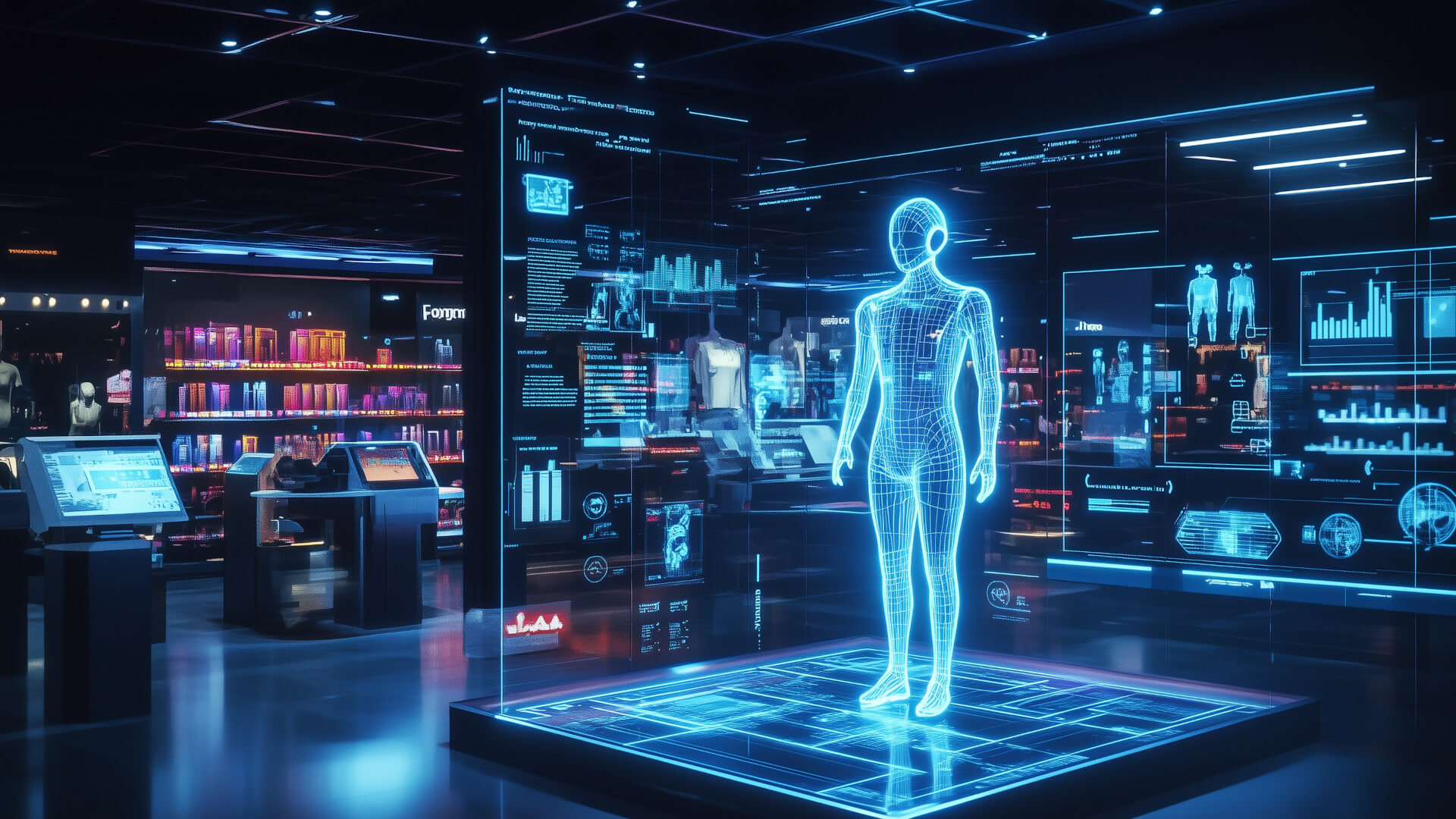
In the rapidly evolving landscape of customer experience (CX), predictive technologies are emerging as game-changers. Among these, digital twins stand out as a powerful tool for simulating and anticipating customer behavior. By creating virtual replicas of customers, businesses can gain unprecedented insights, enabling them to offer proactive and personalized service solutions. This article explores the concept of digital twins in CX, their applications, and the ethical considerations surrounding their use.
Understanding Digital Twins in CX
What Are Digital Twins?
A digital twin is a virtual representation of a physical object, process, or system that spans its lifecycle. Originally used in manufacturing and engineering, digital twins are now being applied to model customer behavior. These Digital Twins of Customers (DToC) use real-time data and simulations to predict customer actions and preferences, allowing businesses to enhance their service offerings proactively 12.
How Digital Twins Enhance CX
- Predictive Insights: Digital twins can simulate customer interactions, helping businesses anticipate needs and preferences. This predictive capability enables companies to offer personalized recommendations and preemptive solutions, enhancing customer satisfaction and loyalty 13.
- Real-Time Feedback: By continuously updating with real-time data, digital twins provide immediate feedback on customer experiences. This allows businesses to identify and address issues promptly, improving service quality and reducing churn rates 45.
- Personalized Experiences: Digital twins can help create highly personalized customer journeys. By understanding individual preferences and behaviors, companies can tailor their services to meet specific customer needs, fostering stronger relationships 26.
Applications of Digital Twins in CX
Customer Journey Mapping
Digital twins can map out the customer journey, identifying key touchpoints and opportunities for improvement. By simulating various scenarios, businesses can optimize the customer experience at each stage, ensuring a seamless journey from start to finish 5.
Product Development
Companies can use digital twins to test new products and services before launch. By simulating customer reactions, businesses can refine their offerings to better meet customer expectations, reducing the risk of failure and increasing adoption rates 17.
Marketing and Sales
Digital twins can help marketing teams predict the effectiveness of campaigns and promotions. By simulating customer responses, marketers can optimize their strategies to maximize engagement and conversions 7.
Ethical Considerations and Challenges
Data Privacy and Security
The use of digital twins raises significant privacy concerns. Companies must ensure transparency and obtain customer consent before collecting and using data. Implementing robust data governance and security measures is crucial to protect sensitive information and maintain customer trust 28.
Ethical Use of Data
Businesses must use digital twins responsibly, avoiding unethical practices such as price discrimination or invasive tracking. The focus should be on creating value for customers and enhancing their experiences, rather than exploiting data for purely commercial gains 29.
Data Quality
The accuracy of digital twins depends on the quality of the data used. Companies must ensure that the data is reliable, unbiased, and free from contamination. Poor data quality can lead to inaccurate simulations and misleading insights, undermining the effectiveness of digital twins 9.
Future of Digital Twins in CX
As technology advances, the use of digital twins in CX is expected to grow. Companies that successfully integrate digital twins into their operations can gain a competitive edge by offering more personalized and predictive services. However, this growth must be accompanied by a strong commitment to ethical practices and data security to build and maintain customer trust.
Digital twins represent a significant leap forward in customer experience management. By simulating and predicting customer behavior, businesses can offer proactive and personalized services that enhance customer satisfaction and loyalty. However, the successful implementation of digital twins requires a careful balance between innovation and ethical considerations, ensuring that customer data is used responsibly and transparently. As the technology continues to evolve, digital twins have the potential to revolutionize the way businesses interact with their customers, creating more meaningful and valuable relationships.