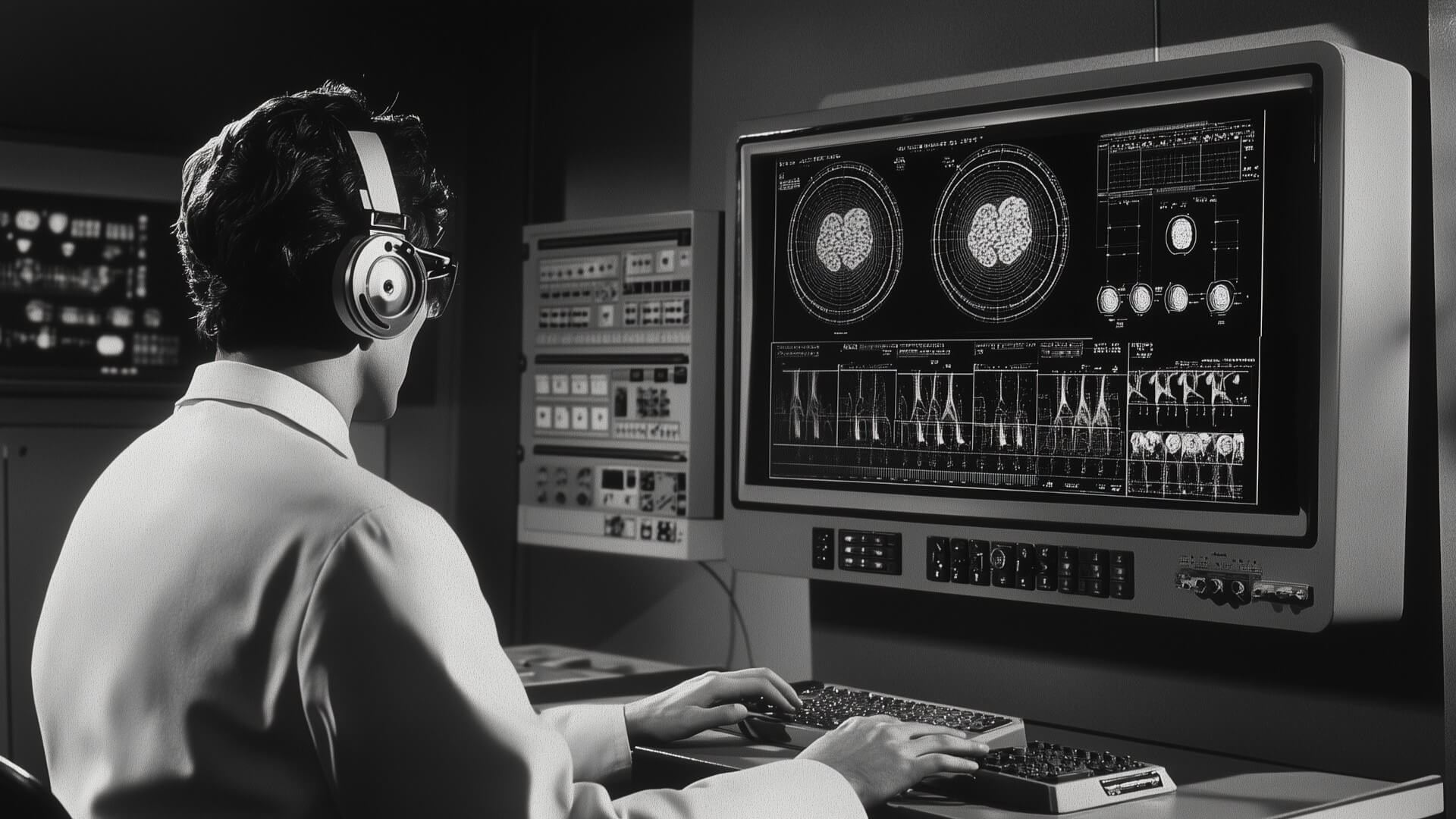
In the ever-evolving world of user experience (UX) design, the quest to create intuitive, engaging, and effective interfaces has taken a fascinating turn. Enter neuroscientific UX design, a cutting-edge approach that leverages brain data—captured through technologies like electroencephalography (EEG) and functional magnetic resonance imaging (fMRI)—to optimize digital interfaces. This isn’t just about A/B testing or heatmaps; it’s about diving deep into the human brain to understand how users truly think, feel, and interact with technology.
But how does this work, and why does it matter? Let’s explore the science, the tools, and the potential of this revolutionary approach.
The Brain-Interface Connection: Why Neuroscience Matters in UX
At its core, UX design is about understanding human behavior. Traditional methods rely on observable actions—clicks, scrolls, and time spent on a page. But these metrics only scratch the surface. They tell us what users are doing, but not why.
Neuroscience bridges this gap by providing insights into the subconscious processes driving user behavior. For example:
- EEG measures electrical activity in the brain, offering real-time data on attention, frustration, and cognitive load.
- fMRI tracks blood flow to different brain regions, revealing emotional responses and decision-making patterns.
By combining these tools, designers can uncover the hidden drivers of user engagement and frustration, creating interfaces that feel almost telepathically aligned with user needs.
How EEG and fMRI Are Revolutionizing UX Research
1. EEG: The Speed of Thought
EEG is particularly valuable for its ability to capture brain activity in real time. Imagine a user navigating a website. EEG can detect moments of confusion (increased theta waves), frustration (elevated beta waves), or delight (heightened alpha waves).
For example, a study might reveal that users experience cognitive overload when presented with too many menu options. Armed with this data, designers can simplify navigation, reducing friction and improving satisfaction.
2. fMRI: The Emotional Blueprint
While EEG excels at speed, fMRI provides unparalleled depth. By mapping brain activity to specific regions, fMRI can reveal emotional responses that users might not even be aware of.
Consider an e-commerce platform. fMRI might show that users feel a sense of reward (activation in the nucleus accumbens) when they see personalized product recommendations. This insight could drive the design of more tailored, emotionally resonant interfaces.
Case Studies: Neuroscience in Action
Case Study 1: Optimizing E-Learning Platforms
A leading e-learning company used EEG to study how students interacted with their platform. They discovered that complex animations, intended to engage users, actually increased cognitive load and reduced retention. By simplifying the visuals and focusing on clear, concise content, they saw a 30% improvement in user performance.
Case Study 2: Enhancing Social Media Engagement
A social media giant employed fMRI to understand why users spent more time on certain types of content. The data revealed that posts triggering nostalgia (activating the hippocampus) led to longer engagement times. This insight informed the development of features that encouraged users to share memories, boosting platform activity.
Challenges and Ethical Considerations
While the potential of neuroscientific UX design is immense, it’s not without challenges.
- Cost and Accessibility: EEG and fMRI equipment is expensive and requires specialized expertise.
- Data Interpretation: Brain data is complex and must be carefully analyzed to avoid misinterpretation.
- Privacy Concerns: Collecting brain data raises ethical questions about user consent and data security.
Designers and researchers must navigate these challenges responsibly, ensuring that the benefits of neuroscience are balanced with respect for user privacy and autonomy.
The Future of Neuroscientific UX Design
As technology advances, the integration of neuroscience into UX design is likely to become more accessible and widespread. Emerging tools, such as portable EEG headsets and AI-driven data analysis, are already making it easier to incorporate brain data into the design process.
Looking ahead, we can imagine a future where interfaces adapt in real time to users’ cognitive and emotional states. A website that simplifies itself when it detects confusion, or an app that offers encouragement when it senses frustration, could become the norm.
Conclusion: Designing with the Brain in Mind
Neuroscientific UX design represents a bold new frontier in the quest to create user-centered interfaces. By leveraging the power of EEG and fMRI, designers can move beyond surface-level metrics and tap into the very essence of human cognition and emotion.
This isn’t just about building better products—it’s about fostering deeper connections between humans and technology. As we continue to explore the brain-interface connection, one thing is clear: the future of UX design is not just user-friendly; it’s brain-friendly.
So, the next time you find yourself effortlessly navigating a beautifully designed app, take a moment to appreciate the invisible hand of neuroscience at work. It’s not just good design—it’s science.
What are your thoughts on the intersection of neuroscience and UX design? Could brain data be the key to unlocking the next generation of user experiences? Share your insights in the comments below!